


Cardly AI: Sports Card Scanner
4.7886.00 Reviews
App Specs
- Version
- 1.7.2
- Updated On
- License
- Free
- Downloads
- 100,000+
- Developer
- Scate
- Categories
- Tools
- Platform
- Android
Screenshots


 Analysis by AppCompare
I find Cardly: TCG Card Value Scanner most useful when I treat it as a starting point for understanding a collection, rather than as the final authority on what a card is worth. Its mix of card identification, grading tools and collection management suits the moments when I want to sort, check and organize cards without switching between several kinds of tools. That convenience is appealing, but card values and condition judgments still deserve a careful human check.
Who benefits most from keeping cards organized
If you have cards spread across binders, boxes and trade piles, a digital collection can help turn an informal stash into something easier to review. I’d use the inventory to make a record while sorting, then check individual cards that seem especially interesting. That workflow is more practical than trying to scan everything in one sitting, and it helps keep the app’s value tools focused on cards where the answer could affect a trade or sale.
It is also a sensible fit for newer collectors who are still learning how identification and value checking fit into the hobby. Cardly is a free tools app from Scate, rated for Everyone, with a 4.5 average from around 4,400 ratings and more than 100,000 installs. The current version is 1.4.8, and it runs on Android 8.0 or later. Optional in-app purchases range from $0.99 to $49.99 per item, so I’d check what is included before paying for anything rather than assuming every tool is unrestricted.
Readability, navigation and a calmer workflow
The original appeal for me is that the app brings several collector tasks together: identifying a card, considering its value, and keeping track of a collection. Compared with a general camera search or a spreadsheet, that focus can save effort when I’m moving from a physical card to a useful record. A spreadsheet can still be better if I want custom columns, detailed notes or complete control over how my collection is organized; Cardly makes more sense when I value a purpose-built card workflow over that flexibility.
For a less tiring session, I’d begin with a small group of cards and decide on a consistent routine: identify each card, check the result, then add it to the collection only when I’m confident it is the right match. This is a practical way to catch an incorrect identification before it becomes part of a larger inventory. It also avoids making the first experience feel like a long clerical job.
Motor and sensory considerations in everyday use
Camera-based scanning can be convenient when handling cards, but it also asks the user to position a card and keep it steady. If that movement is difficult, or if holding a phone for repeated scans is uncomfortable, it may be easier to work in short batches with the phone supported on a stable surface. I would pause between batches rather than rushing through a stack; a slower scan is less frustrating than repeatedly correcting a result.
Lighting is a real part of the workflow, not a minor detail. Reflections, shadows and a busy background can make it harder to present a card clearly to the camera. I’d choose a well-lit, uncluttered surface and avoid placing a valuable card where it could be knocked or bent. If vision, glare sensitivity or small on-screen text makes extended use uncomfortable, a larger display or assistance from another person may be more comfortable than trying to finish a whole collection at once.
Worth Reading Before You Choose

EA SPORTS FC Mobile 26 Is a Bigger Football Game, but It Takes Time

Flipboard Shows What News Apps Must Do Beyond the Feed

Switching to Android Auto Means Rethinking Your Driving Routine

Google Calendar Makes a Crowded Week Easier to Manage

Ludo King Makes the Most of the Minutes Between Plans

Baby Panda World Brings Quick Play to Modern Phones, but Its Game Library Feels Busy
Where a scanner helps—and where other checks matter
A realistic use case is sorting a handful of cards before a local trade: I can identify the candidates, compare their app values, and make a short list to verify before agreeing to anything. That is more useful than trying to estimate from memory, but it is not a guarantee of a fair deal. A card’s condition, edition and other identifying details can affect what a buyer will actually offer, so I would inspect the physical card and compare current, relevant market information before making a decision.
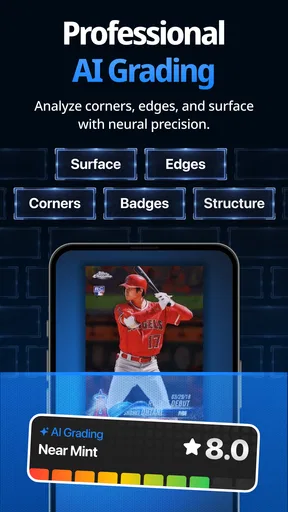
This is the key trade-off with any quick valuation tool. It can make research faster, but a displayed estimate should not be confused with a confirmed sale price or a professional grading result. If the stakes are high, I would use the scan to narrow down what I need to investigate, then check comparable listings or ask a knowledgeable collector. For a low-value card, the quick result may be enough to decide whether it belongs in a trade pile; for a rare or condition-sensitive card, extra verification is worthwhile.
Using the app in context
I use this section to think about when Cardly’s combined scanning and collection tools are genuinely helpful, rather than treating every card check as a reason to open the app. A small, repeatable routine can also make the process easier to pause and resume, which matters when sorting cards in different places or with other people.
A collection habit that saves time later
One useful approach is to scan as cards enter or leave a collection instead of waiting until there is a large backlog. After a trade or purchase, I’d record the card while its source and intended place are still fresh in my mind. When I later review the inventory, I can more easily spot cards worth checking again and avoid relying on memory to remember what I own. This habit is especially helpful if several people share a collection, though the app should not replace clear communication about who owns each card.
Cardly is less compelling if your goal is simply to look up one card once, or if you already maintain a detailed catalog that meets your needs. A dedicated spreadsheet or a reference source may be preferable for people who want extensive custom tracking, while an in-person opinion can be more useful when condition is the central question. I see the app as a convenient companion to those methods, not a reason to abandon them.
Remaining friction and sensible expectations
The app’s value depends on getting a reliable identification and interpreting the result sensibly. A scan that looks plausible still deserves a quick visual check against the physical card, particularly when similar versions exist. I would also avoid treating a changing estimate as proof that I should buy, sell or hold; the collection view is most useful as an organizer and research aid, while any important financial decision needs more context.
There is a learning curve in deciding which details to verify and when to stop researching. New users may be tempted to scan every card and chase each value change, but that can make a hobby feel like bookkeeping. I’d prioritize cards with practical relevance—ones I’m considering trading, selling or insuring—while keeping the rest of the collection record simple. That balance preserves the convenience without turning routine sorting into an obligation.
Who should choose another approach
I would skip Cardly if I need a guaranteed appraisal, a substitute for professional grading, or a valuation that settles a dispute. Those needs call for direct condition assessment and stronger evidence than a quick scan alone. It may also be the wrong fit for someone who collects a niche game that the app does not recognize, or who dislikes camera-based workflows. In those cases, a specialist community, manual catalog or knowledgeable local store may offer a better route.
For collectors who do use it, the practical question is whether the combined workflow is worth adopting. Cardly is free to start, but some in-app items cost money; I’d explore the everyday basics first and consider a purchase only if its purpose is clear to me. That makes it easier to judge the app on what I actually need, rather than paying in the hope that an optional item will solve a problem I have not encountered.
If you're a trading card game enthusiast, you know how thrilling it is to uncover the value of a card that’s been sitting in your collection. That's where Cardly: TCG Card Value Scanner comes into play. I recently downloaded this app, and let me tell you, it’s been quite the game-changer.
First Impressions
Initially, I was skeptical. Another app claiming to scan and evaluate cards? But Cardly pleasantly surprised me right from the start. The user interface is sleek and intuitive, which made it easy for me to navigate through its features without a hitch. Setting it up was a breeze, and in no time, I was ready to dive into my card collection.
Scanning Magic
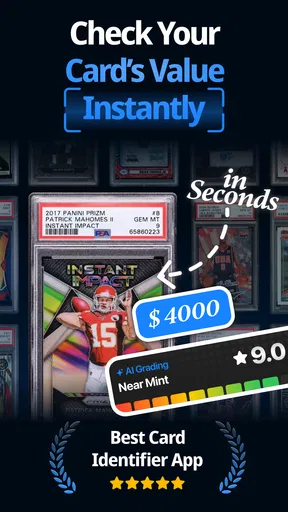
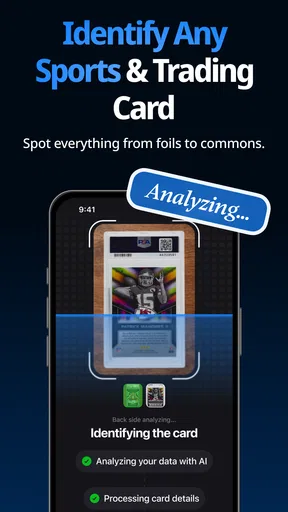
The scanning feature is the heart of the app. You simply point your camera at the card, and within seconds, Cardly provides you with its current market value. The accuracy was spot on for most of my cards, which I double-checked against other resources. It’s like having a mini expert in your pocket. The app supports a wide range of TCGs, including Pokémon, Magic: The Gathering, and Yu-Gi-Oh!, just to name a few.
Features That Stand Out
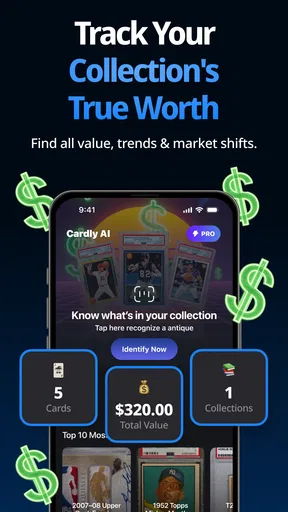
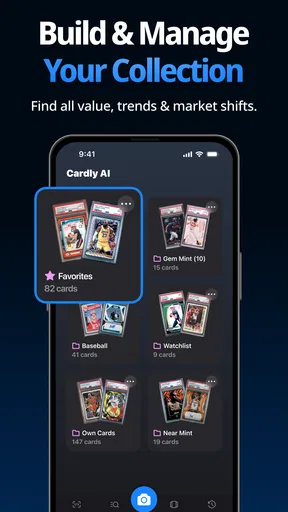
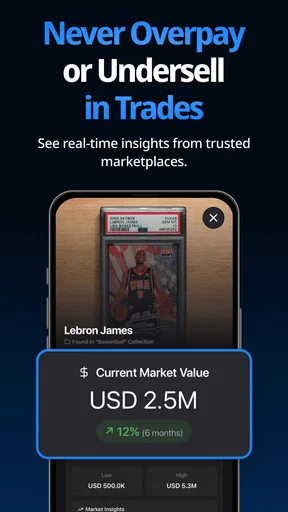
One of the features I really appreciate is the ability to track the value changes over time. It gives you a detailed graph showing how the card's value has fluctuated, which is perfect for those who play the long game in collecting. Additionally, Cardly lets you create a digital inventory of your collection. This feature helps you keep tabs on what you have, what's valuable, and what might be worth trading or selling. It’s like having a personal card manager.
Community and Resources
Another cool aspect of the app is the community feature. You can connect with other card enthusiasts, share insights, and even get advice on your collection. There’s something comforting about knowing you’re part of a larger community that shares the same passion. Plus, the app offers educational resources, which are great for both newbies and seasoned collectors looking to deepen their knowledge.
Room for Improvement
While Cardly is impressive, there's always room for improvement. Sometimes, the scanning process can be a bit finicky, especially under poor lighting conditions. A little patience and a steady hand usually do the trick, though. Additionally, while the app covers many popular TCGs, expanding its database to include more niche games would definitely broaden its appeal.
Wrapping Up
Overall, I’m genuinely impressed with how Cardly has enhanced my card collecting experience. It’s an invaluable tool for any TCG enthusiast who wants to stay on top of their collection's value. The app’s intuitive design, accurate scanning, and community features make it a must-have. Whether you're a casual collector or a serious trader, Cardly offers something for everyone.
So, if you haven’t yet given it a shot, I’d definitely recommend downloading the app and seeing how it can transform your card collecting journey. Happy scanning!
Pros
- Accurate card value scanning.
- User-friendly interface design.
- Supports multiple card games.
- Fast scanning and results display.
- Saves scan history for easy access.
Cons
- Requires stable internet connection.
- Limited offline features.
- Ads may disrupt scanning experience.
- Some cards may require manual entry.
- Subscription needed for premium features.
FAQs for Cardly AI: Sports Card Scanner
What is Cardly: TCG Card Value Scanner and how does it work?
Cardly: TCG Card Value Scanner is an app designed to help trading card game enthusiasts quickly and accurately determine the value of their cards. By using your smartphone's camera, the app scans the card and retrieves real-time market value from various sources, making it easy to keep track of your collection’s worth.
Is Cardly available on both Android and iOS platforms?
Yes, Cardly is available for download on both Android and iOS platforms. Users can find the app on the Google Play Store for Android devices and the Apple App Store for iOS devices, ensuring compatibility with a wide range of smartphones and tablets.
Does Cardly require an internet connection to function?
Yes, an internet connection is required for Cardly to access real-time market data and provide accurate card value assessments. While scanning is possible offline, the app needs to connect to the internet to update and display current card prices from various online sources.
Is Cardly free to use, or are there any in-app purchases?
Cardly offers a free version with basic features. However, for users wanting advanced functionalities, such as detailed analytics or ad-free experience, there are in-app purchases and subscription options available. These enhancements can significantly improve the app's utility for serious collectors.
How accurate are the card valuations provided by Cardly?
Cardly strives for high accuracy by sourcing card values from multiple reputable trading platforms and marketplaces. However, market prices can fluctuate, and occasional discrepancies might occur. Users are encouraged to cross-reference valuations with other sources for the most reliable assessment.


